


The Beginning
It all began on November 8, 1895, when Wilhelm Conrad Roentgen discovered X-rays, opening the doors to an invisible universe with immense potential. Soon after, great minds like Marie Curie, Pierre Curie, and Henri Becquerel delved into the properties of radioactivity, laying the foundation for what would become nuclear medicine.

Radioactive Products
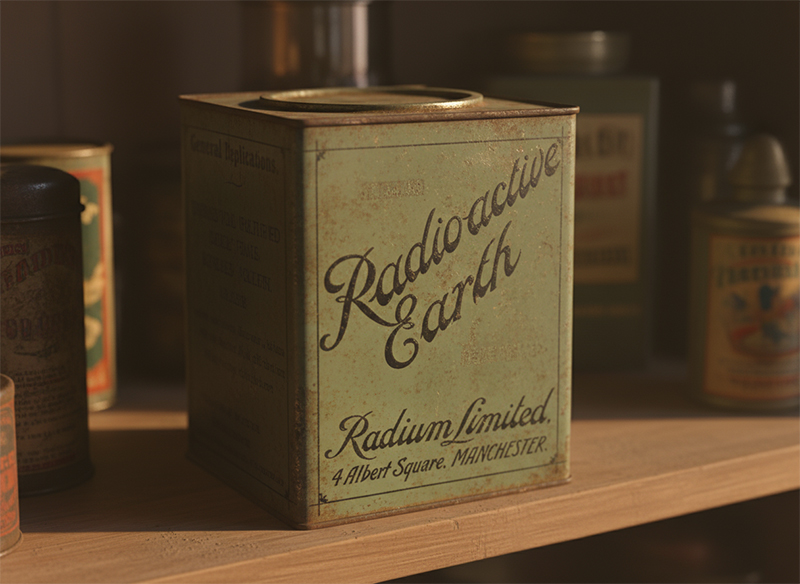
Amid the initial excitement and lack of knowledge regarding radioactivity, products like Radithor—radioactive water—were marketed without any safety controls or proof of efficacy, promising miracle cures and health benefits.
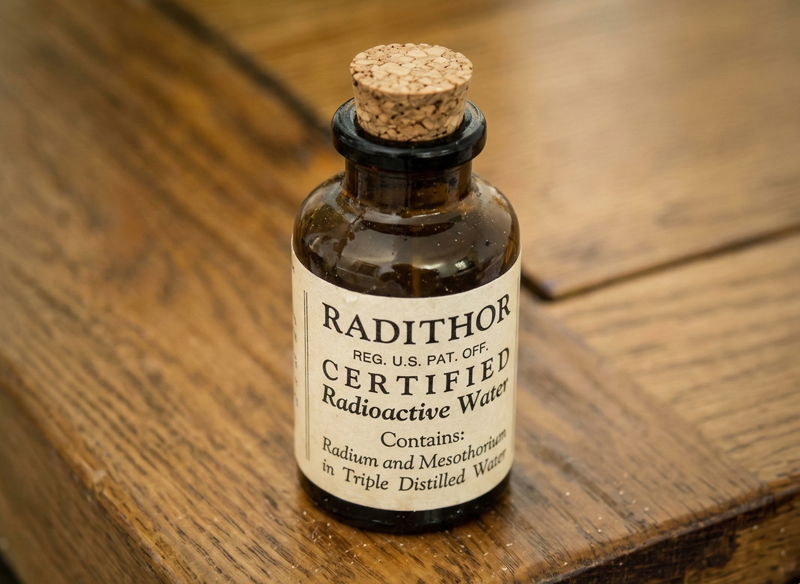
These types of products represented a serious public health issue, highlighting the importance of scientific research and regulation for patient safety. This historical lesson led to the development of stricter regulations for medications and radioactive products.
The Dawn of Nuclear Medicine
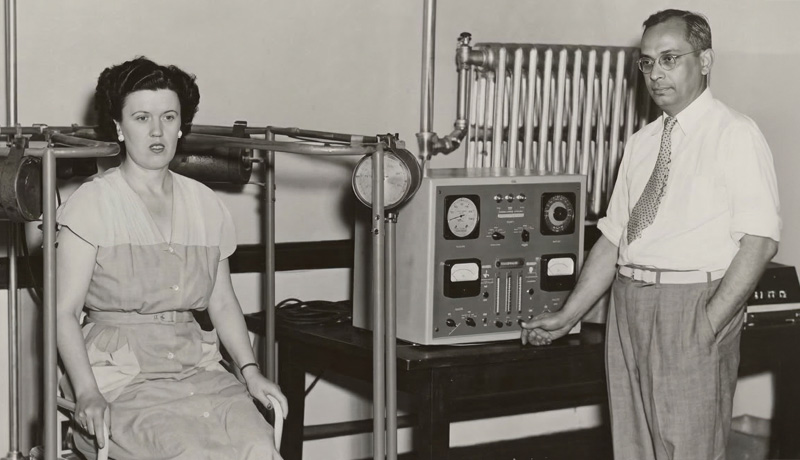
In 1945, facilities such as the Oak Ridge National Laboratory announced the availability of radionuclides for the private sector. However, it was Abbott Laboratories that took the next big step by transforming these radionuclides into radiopharmaceuticals—prepared specifically for medical use—becoming one of the first commercial producers in the world. In 1950, Iodine-131 became the first radiopharmaceutical widely available on the market, opening new possibilities for nuclear medicine.
Technetium-99m
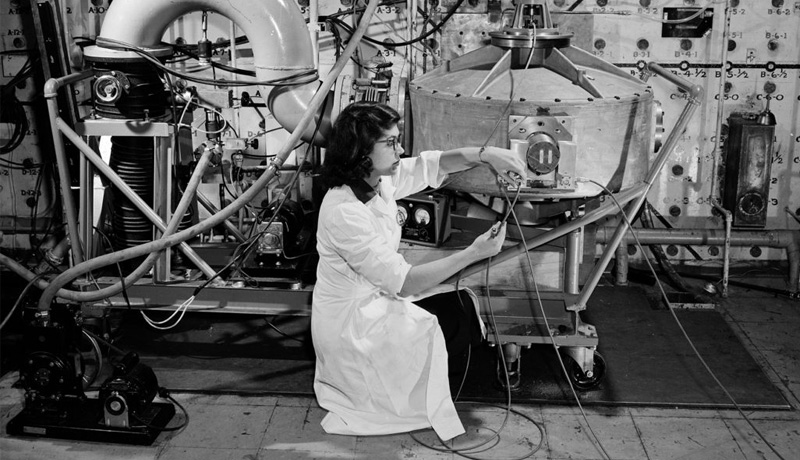
In 1957, Molybdenum-99/Technetium-99m (99Mo/99mTc) generator technology was developed by the Brookhaven National Laboratory. 99mTc has a half-life of only 6 hours and gamma energy (140 KeV) ideal for imaging. This allowed hospitals and clinics to generate their own 99mTc on-site, democratizing access and boosting the development of Nuclear Medicine.
Nuclear Medicine in Brazil
In 1956, with the creation of the Institute of Atomic Energy (IEA)—today the Institute for Energy and Nuclear Research (IPEN)—in São Paulo, the first work in the field began. For decades, the National Nuclear Energy Commission (CNEN) held the state monopoly on the production of radiopharmaceuticals in the country.
Villas Boas
Within this landscape, 16 years ago, Villas Boas Radiofármacos emerged as the first private company to produce radiopharmaceuticals with a cyclotron in Brazil.
Currently, we have two units located in Brasília-DF and Eusébio-CE, responsible for the production of 18F-FDG and 18F-PSMA, which supply various hospitals and clinics throughout the country.